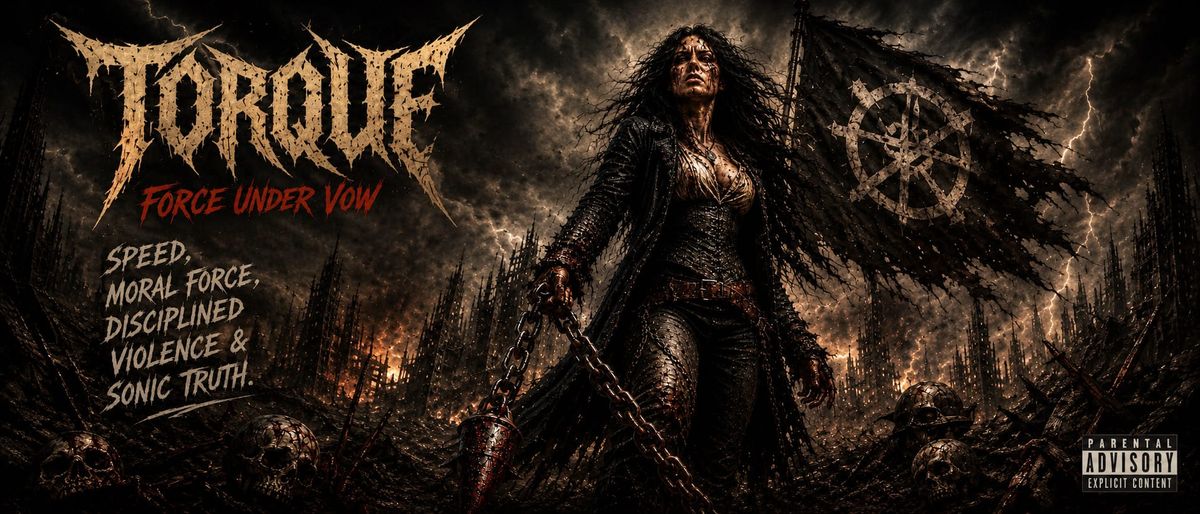
Speed, Moral Force, Disciplined Violence & Sonic Truth
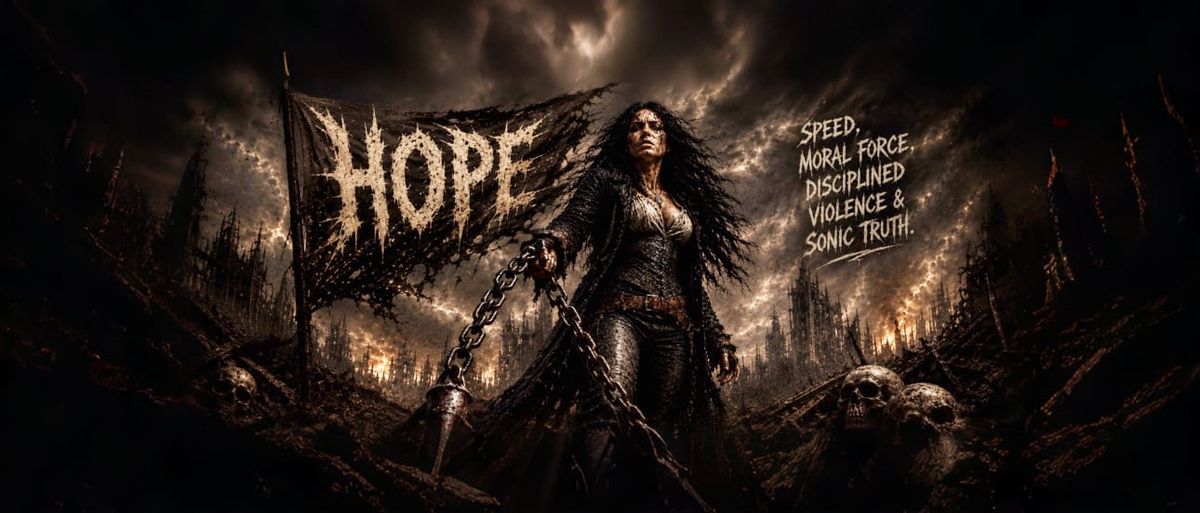
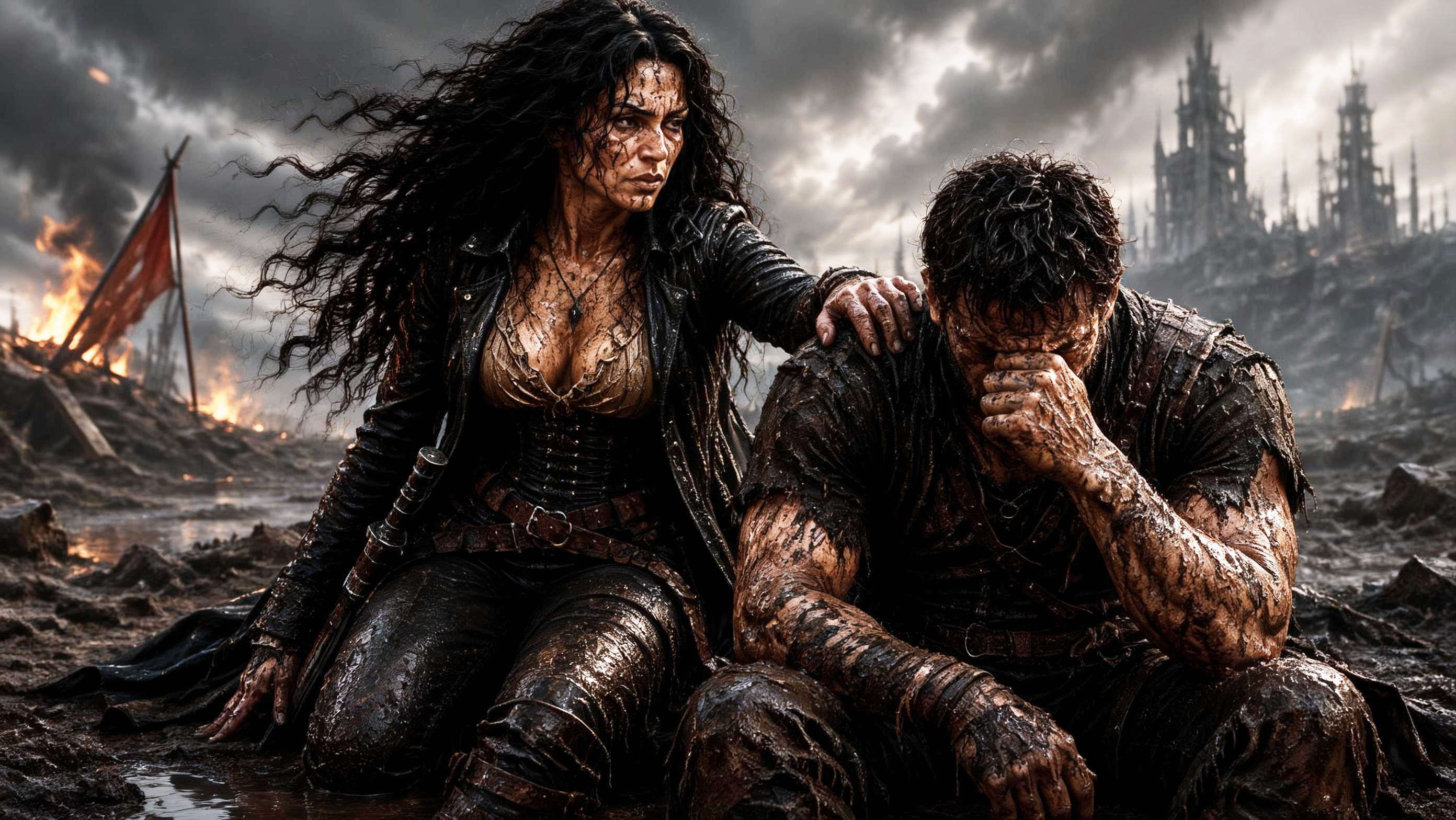
Speed is only hurry with better shoes. It can scatter a person just as easily as it can save one. A panic attack has speed. A bad decision has speed. A mouth running ahead of the soul has speed. So speed cannot be praised on its own. It needs a governor. It needs direction. It needs moral force behind it, or else it becomes just another bright weapon in the hands of confusion.It becomes response. It becomes arrival. It becomes the thing that gets there before despair can lock the door from the inside.
A person can fall inward in seconds. A thought can become a verdict before breakfast. A bad hour can put on a judge’s robe and start sentencing the whole life. Hope cannot stroll in three days later with a pamphlet. Hope has to move. Hope has to hear the change in the room and cross the distance before the room becomes a tomb.
That is where moral force enters. Moral force is not mere intensity. Plenty of people are intense for stupid reasons. Moral force is intensity under vow. It knows what it serves. It knows the difference between rescue and domination, between judgment and vengeance, between the blade that frees and the blade that only proves the hand is angry. Moral force gives speed a reason not to become reckless. It says: move quickly, yes, but move toward life. Move toward clarity. Move toward the one still breathing under the wreckage.
But not all danger is evil. Surgery is disciplined violence. The plow is disciplined violence. The chisel entering stone is disciplined violence. A sentence that cuts through a lie is disciplined violence. The question is never whether force exists. Force always exists.
Undisciplined violence wants release. Disciplined violence wants repair. Undisciplined violence says, “I am angry, therefore I strike.” Disciplined violence says, “Something false has built a house here, and I am taking it down beam by beam.”
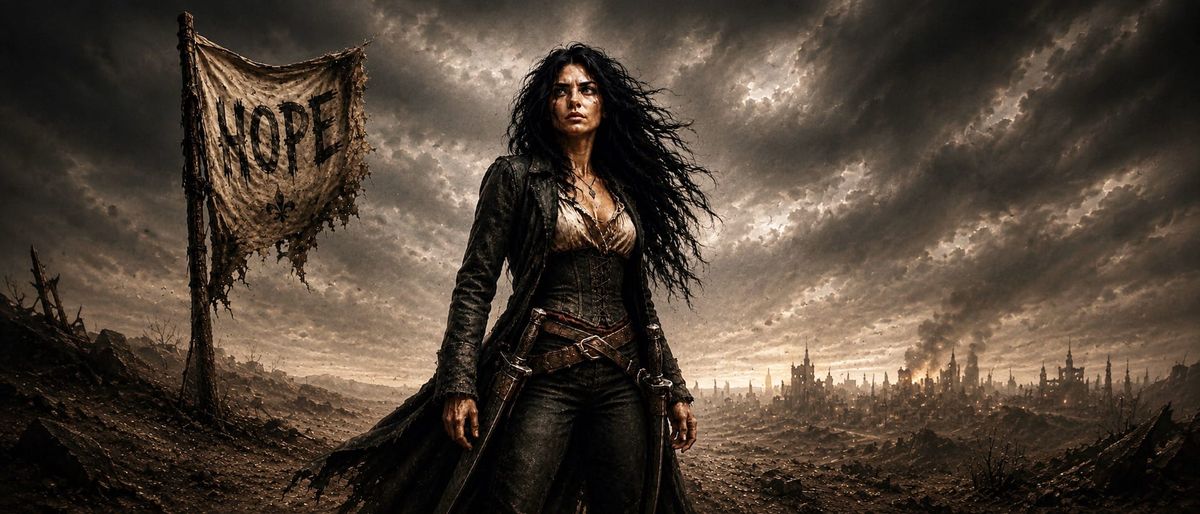
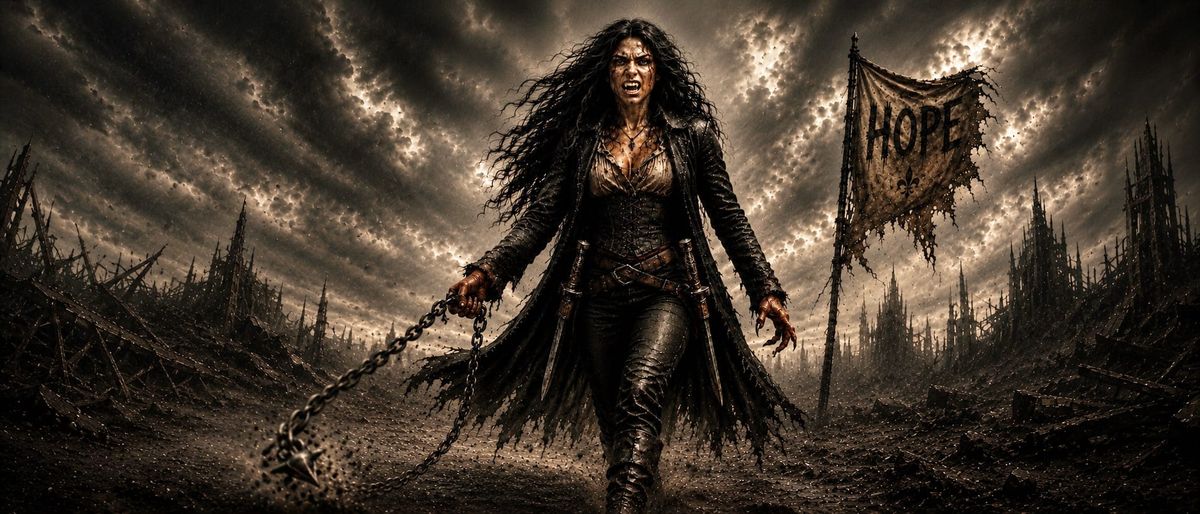
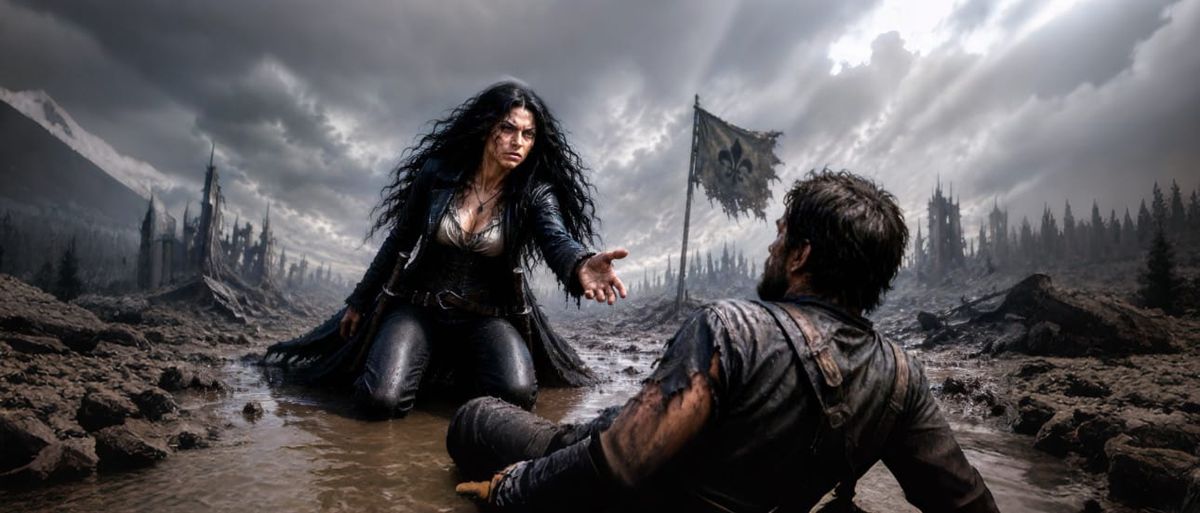
She does not arrive to decorate the suffering. She arrives to break the false arrangement. She is not sentimental because sentimentality would be too slow and too weak for the room she enters. She does not whisper “be positive” while the ceiling falls. She kicks the brace into place. She throws the chain where the chain must go. She cuts through the performance, then cuts deeper through the lie beneath the performance. She is violent only against what is trying to make final what is not final.
That is the part that matters most for me. Truth, in my system, is not only something stated correctly. It is something that rings. It has pressure. It has tone. It has weight in the ear before it has explanation in the head. A true thing can be simple and still detonate. A false thing can be elaborate and still sound hollow as a cheap door. Sonic truth is the body recognizing the line before the argument finishes filing its paperwork.
Not because hope is loud in some shallow way, but because certain forms of metal understand the dignity of force. The riff does not apologize for existing. The drums do not ask permission to establish consequence. The bass does not explain the ground; it becomes the ground. A good thrash song has speed, but the speed is not chaos. It is trained. It is a horse with fire in its lungs and reins still in hand. That is the structure: acceleration without surrendering shape.
Mush does not save. Mush consoles nobody except people who were never really in danger. Real hope needs a skeleton. It needs rhythm. It needs the courage to say no to despair with more than a sigh. It needs the nerve to interrupt. It needs the discipline not to become merely angry. It needs enough truth in its voice that the suffering person hears it and thinks, even faintly: something in that is real.
Speed says: we cannot wait forever. Moral force says: we are moving for the sake of the good. Disciplined violence says: what must be broken will be broken cleanly. Sonic truth says: the line rings, therefore follow it.
Speed without moral force is frenzy. Moral force without speed can become sermon. Violence without discipline is ruin. Truth without sound can become dead doctrine. But when the four lock together, you get something rare: an active virtue with teeth. A virtue that does not float above life but enters it. A virtue capable of standing in smoke and still identifying the door.
It gives hope back its claws. It refuses to let hope be reduced to a gentle preference for better outcomes. Hope becomes a force that can contend. Not merely comfort. Contend. Against despair. Against false finality. Against the internal prosecutor. Against the machinery that wants a person to believe the current conditions are the whole of reality.
Hope is not “everything will be fine.” Hope is “this is not allowed to be the whole story.”
It does not sit around waiting for despair to finish its speech. It has moral force because it protects the human future from being stolen by the present pain. It has disciplined violence because it cuts off the lie without needing to destroy the person who believed it. And it has sonic truth because, when said plainly, it rings.
That is Hope talking.
Not cute. Not tame. Not polished for the gift shop.
 Outlaw Creative
 Outlaw Creative
 Outlaw Creative
 Outlaw Creative
 Outlaw Creative
 Outlaw Creative