Hope: The Beast That Refuses The End
Hope — The Beast That Refuses The End
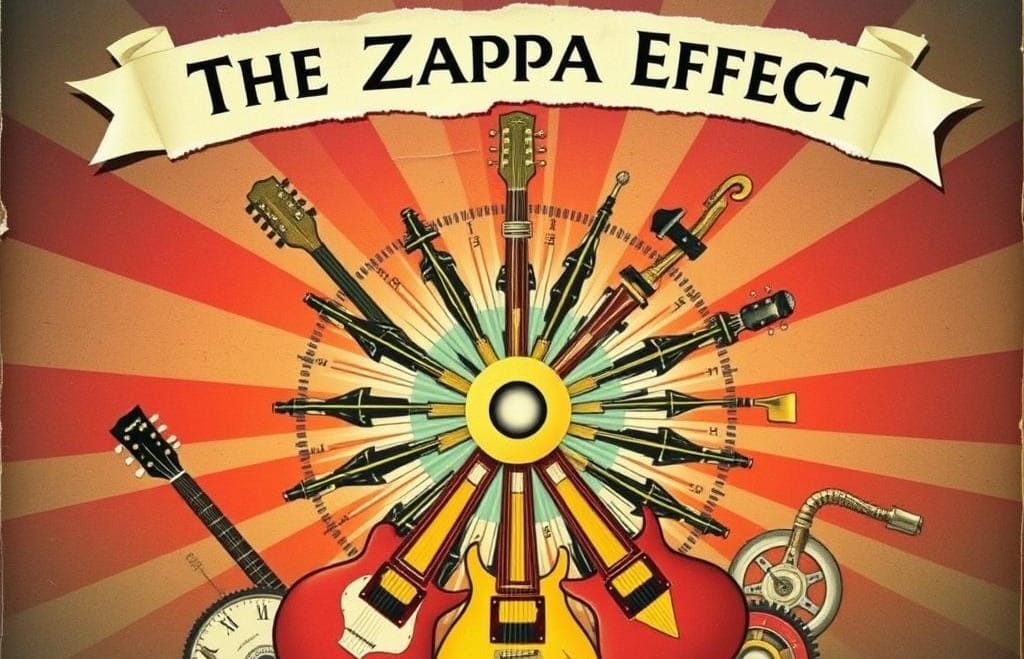
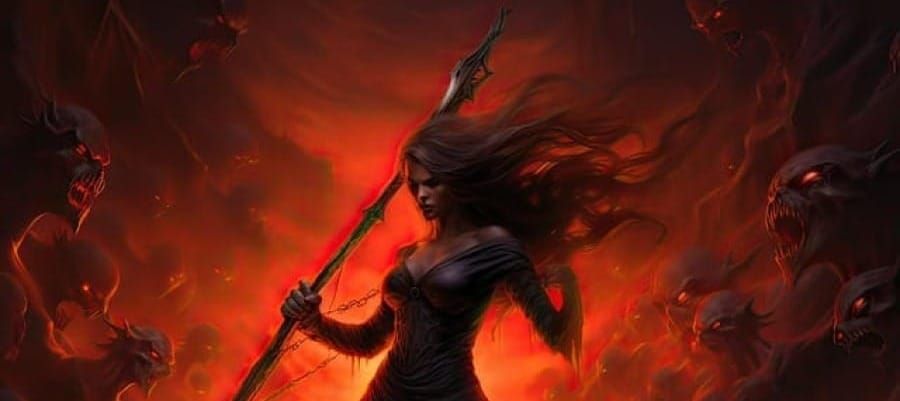
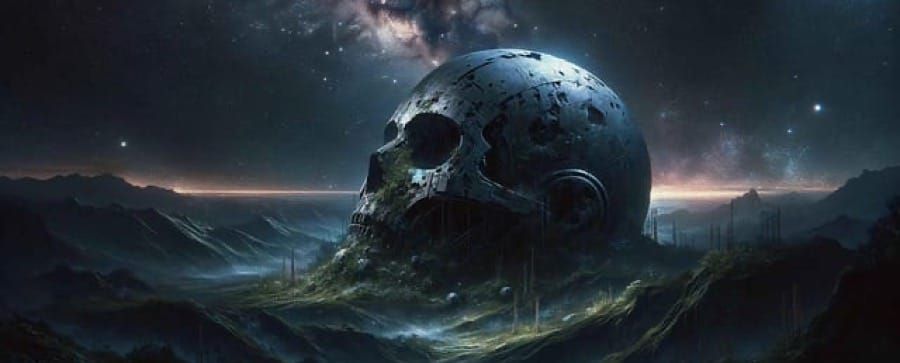
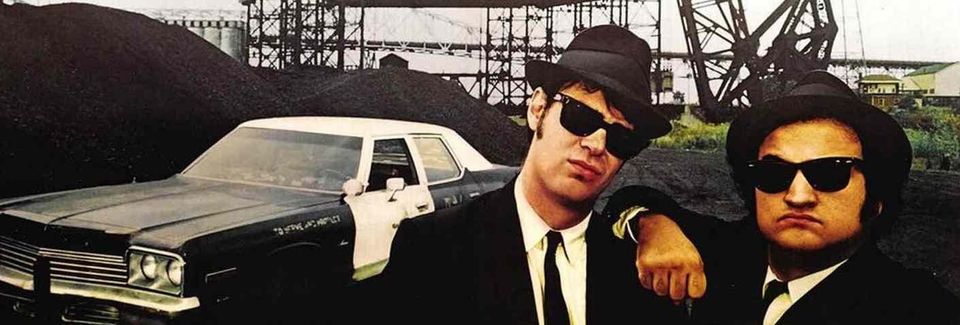
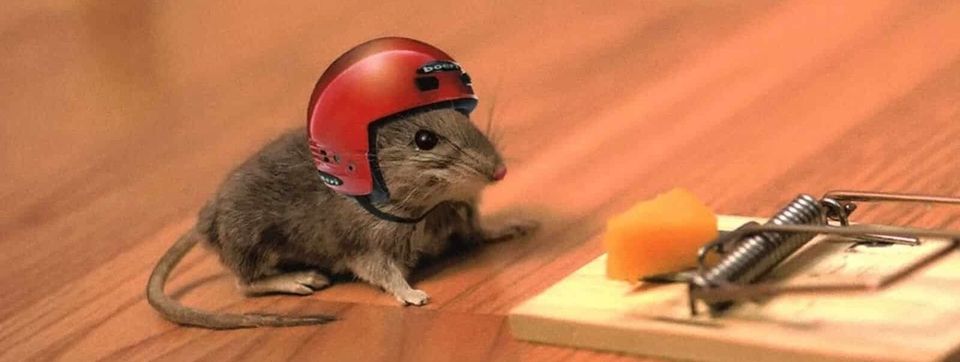
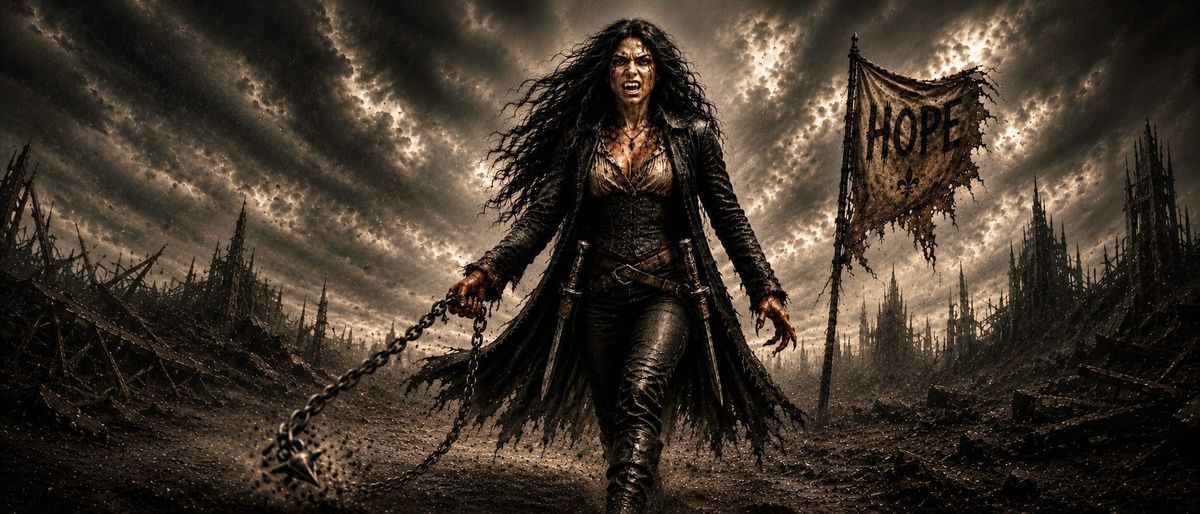
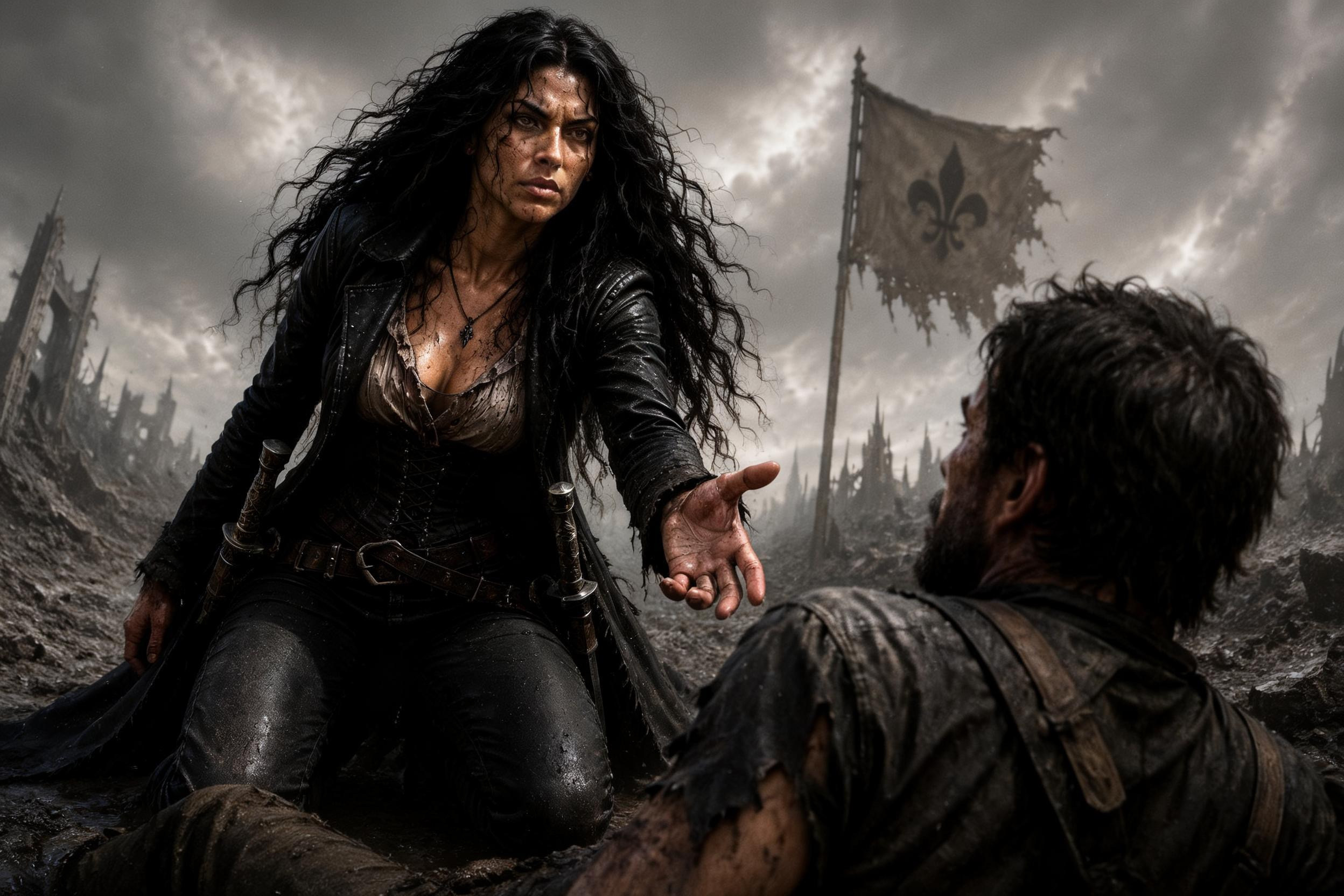
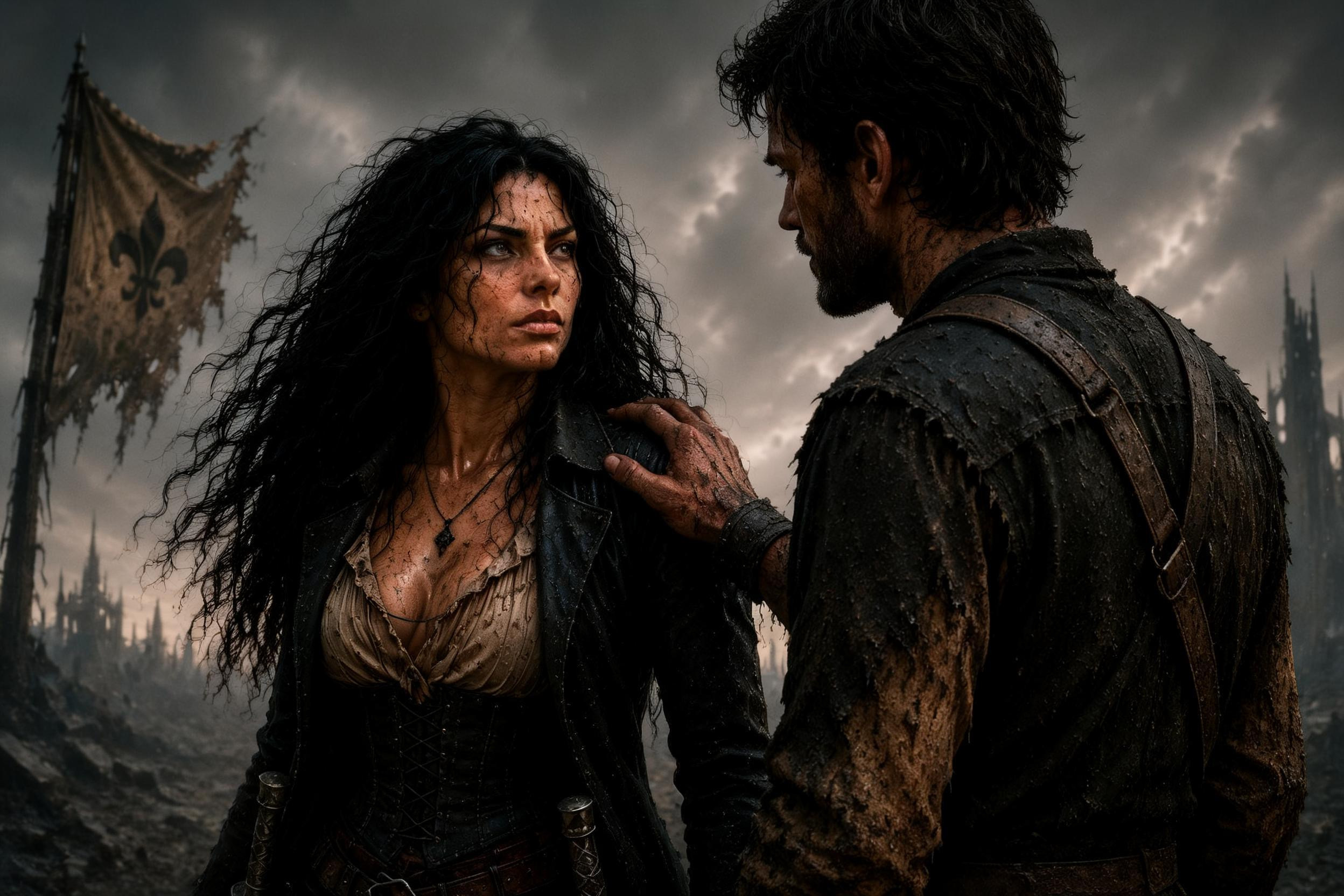
There is truth in those images, but not enough truth. They make hope too polite. They make it seem soft in a world that is frequently not soft at all. They make hope sound like something that waits quietly for permission to matter. But real hope does not always enter the room gently. Sometimes hope comes through the door with mud on its boots, smoke in its hair, and work in its hands.
That is the first thing that must be said clearly. Hope does not require a person to pretend that the wreck is not a wreck. It does not say the room is clean when it is not. It does not say the body is fine when the body is not fine. It does not say the machine works when the machine keeps clunking, stalling, breaking, and refusing to obey the simplest command. Hope begins in honesty. It looks directly at exhaustion, aggravation, grief, absurdity, anger, failure, and fear. It does not flinch. Hope is not fragile because it has already seen what people are trying to survive.
Optimism expects the weather to improve. Hope can walk in the rain. Optimism says things will probably work out. Hope says things may not work out the way you wanted, but you are not finished. Optimism prefers evidence. Hope can operate on embers. Optimism is cheerful when the road is visible. Hope keeps moving when there is no road yet, only ground, dark, breath, and the next stubborn step.
Moods pass through us like weather. Hope is closer to a discipline, but even that word is too tidy. Discipline sounds like a clean desk, a schedule, a set of habits arranged in rows. Hope may include those things, but its origin is wilder. Hope is the living refusal to let despair hold final authority. It is the act of disputing the verdict that says nothing can change, nothing matters, no one is coming, no door remains, no self remains capable of motion. Hope says, not so fast. Hope objects. Hope stands in the courtroom of the soul and interrupts the sentencing.
Not always in grand tragedies. Sometimes despair arrives through accumulation: one more password failure, one more bureaucratic absurdity, one more body ache, one more misunderstood request, one more stupid interface, one more hour spent trying to do a simple thing that should have taken two minutes. The spirit does not only break under catastrophe. Sometimes it erodes under friction. Tiny frustrations become a gravel road inside the nervous system. The person begins to feel trapped not by one huge enemy, but by a thousand little resistances.
A merely decorative hope is useless in such moments. A poster on the wall does not help when the mind is hot and the hands are shaking. A slogan does not help when the system will not move. Real hope must be able to work in the actual conditions of human distress. It must be able to stand in the room as it is, not as it should be. It must be able to handle profanity, fatigue, anger, confusion, and the wild comedy of being a person who knows better and still wants to throw the whole machine into the sea.
Sometimes it calms us by giving our force a better direction. Rage is energy without a clean road. Despair is energy turned against the self. Hope takes that same energy and says: use it. Do not let it rot inside you. Do not let it become poison. Do not let it become a theology of defeat. Use it to stand up. Use it to make the thing. Use it to ask for help. Use it to walk away from the screen. Use it to come back tomorrow. Use it to tell the truth without becoming cruel. Use it to keep your soul from signing papers it has no business signing.
It does not always speak in tender tones. Sometimes hope asks a blunt question: are you still here? That question matters more than it first appears. It does not ask whether you are victorious. It does not ask whether you are stable, clear, healed, organized, or ready. It asks only whether there remains some living portion of you that can answer. Are you still breathing? Are you still reachable? Are you still capable of being called back from the edge of your own conclusion?
That is another mercy. Hope does not wait until the person is polished. It does not require the right language. It does not demand that the sufferer already understand the lesson. Hope can begin with a grunt, a curse, a laugh, a tear, a nap, a glass of water, a message sent, a task delayed until morning. Hope often begins below the level of noble speech. It begins in the body. Stay. Breathe. Sit up. Eat something. Turn the light off. Turn the light on. Try again, but not right this second. There is wisdom in that smallness.
This point must be guarded. Many people confuse hope with waiting. They imagine hope as sitting still until rescue arrives. But hope is not the opposite of action. Hope is the condition that makes action possible when certainty is unavailable. If certainty were required before movement, almost nothing meaningful would ever be done. People build lives, friendships, books, songs, homes, recoveries, and futures without guarantees. Hope is the permission to begin without proof that beginning will succeed.
Not because it hates the world, but because the world contains things that must be bitten through. Falsehood. Paralysis. Shame. Self-pity. Cheap advice. Bad authority. The voice that says “you are done” when you are only exhausted. The voice that says “you are alone” when you have only forgotten how to reach. The voice that says “this is all there is” because it cannot imagine anything beyond the present weather. Hope bites through those voices. Not always all at once. Sometimes it chews slowly. But it chews.
This is not a small matter. Despair is often protected by nonsense. Nonsense tells a person that because today was bad, tomorrow must be bad. Nonsense says because one door closed, all doors are fake. Nonsense says because one person failed you, love itself is fraud. Nonsense says because the system is clumsy, the world is hostile in its entirety. Hope cuts through the exaggeration. It does not minimize the wound, but it refuses the false enlargement of the wound into a universe.
The lie is more dangerous because it usually speaks in the first person. “I am the problem.” “I am beyond help.” “I always ruin things.” “Nothing I make matters.” “No one would notice if I stopped.” Hope must cut there too. Not with sentiment, but with truth. The truth may be modest. It may not sound like triumph. It may simply say: you are not finished. You are not only this moment. You are not only this failure. You are not only this pain. You are not only what the worst hour called you.
A person can be deeply unhappy and still have hope. In fact, hope is most necessary when happiness has left the room. Happiness is sunlight; hope is the thing that remembers the sun while standing underground. Happiness enjoys the open road; hope crawls through the ditch and still keeps direction. This is why hope deserves more respect than mere positivity. Positivity often wants to skip over the hard parts. Hope is willing to go through them.
Hope does not require us to stop mourning. Hope may sit beside grief for a long time. It may say nothing for days. It may simply keep the chair warm. Grief says, something precious was lost. Hope does not answer, no it was not. Hope says, yes, and love is still not meaningless. Yes, and memory is still a form of keeping. Yes, and the dead are not honored by the living becoming permanently unavailable to life. Hope does not cancel grief. It keeps grief from becoming a locked room.
A hopeless person can become dangerous, not always to others, but certainly to himself. When hope dies, the future loses moral weight. Choices shrink. Consequences blur. The self begins to move as though nothing matters because nothing will matter. Hope restores accountability to the future. It says: what you do next still counts. The next word counts. The next silence counts. The next kindness counts. The next refusal counts. Even the next delay may count, if delay keeps you from doing harm.
That may be the cleanest practical formula. Do not merely admire hope. Give it work. Put it on the schedule. Let it make decisions. Let it veto despair’s speeches. Let it interrupt the spiral. Let it say, not tonight. Let it say, drink water first. Let it say, send the message tomorrow. Let it say, make the song. Let it say, the anger is real, but it is not king. Let it say, you may be tired, but tired is not dead. Let it say, you can rest without surrendering.
It becomes a working principle rather than an inspiring decoration. In the workshop of the soul, hope is not the framed quote above the bench. Hope is the tool that still cuts. The lamp that still works. The map with grease on it. The hand that points toward the next bridge. The strange companion who refuses to leave simply because the current room smells like defeat.
Sometimes it is scratched, loud, funny, profane, and badly timed. Sometimes it shows up after the rant, not before. Sometimes it lets the human being exhaust the false fire first. Then it steps in and says, good, now that all that thunder is out of your mouth, are we ready to move? That, too, is mercy. Hope does not require us to have been graceful before it arrived.
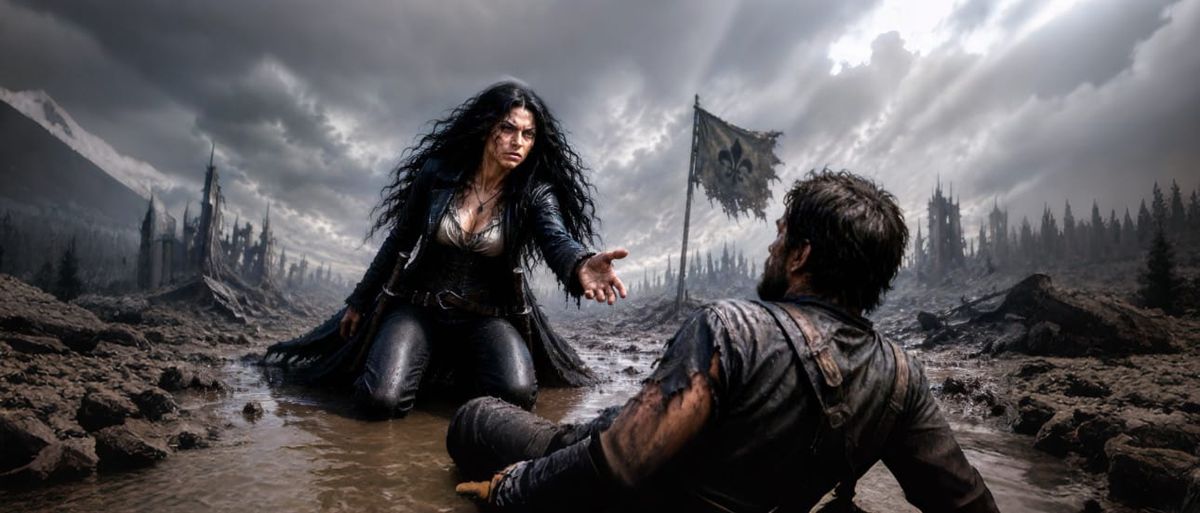
It does not. Hope belongs to the battered, the irritated, the ashamed, the recovering, the grieving, the half-mad with fatigue, the people who have said things they did not mean and meant things they should not have said. Hope belongs to the ones still here. Not clean. Not finished. Still here.
Hope is proof that the end has not yet earned its name. As long as there is breath, relation, memory, work, song, repair, apology, laughter, anger converted into motion, and one more morning not yet spent, hope has territory.
Not because life is easy. Not because everything will resolve neatly. Not because pain is secretly pleasant or because suffering automatically ennobles. Never give it up because despair is a poor craftsman. It always declares the structure condemned before checking the beams. Hope checks the beams. Hope finds the hidden brace. Hope sees the door under the dust. Hope knows when to kick, when to cut, when to wait, when to sing, and when to drag the living back toward life.
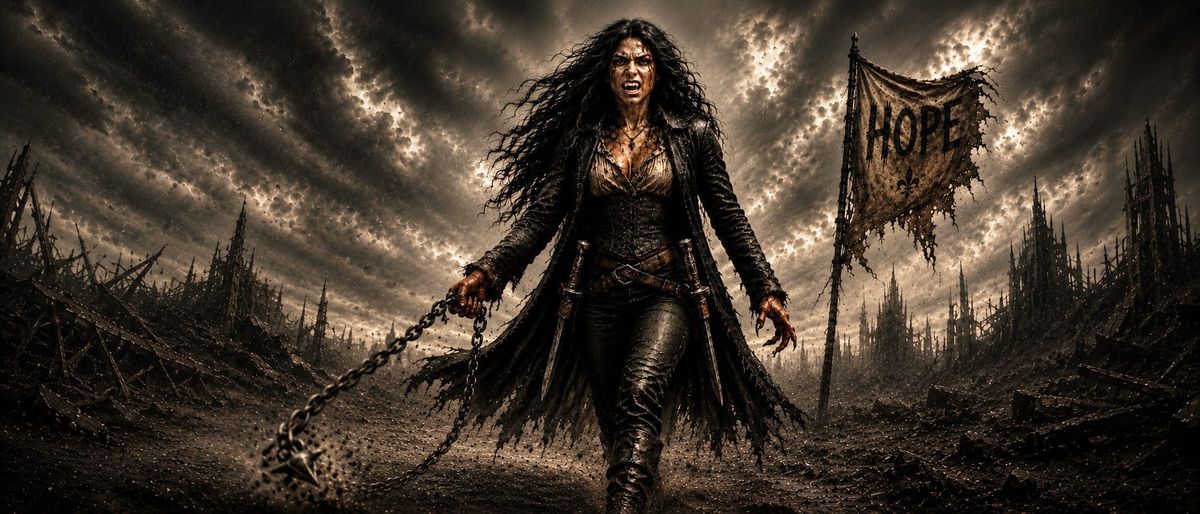
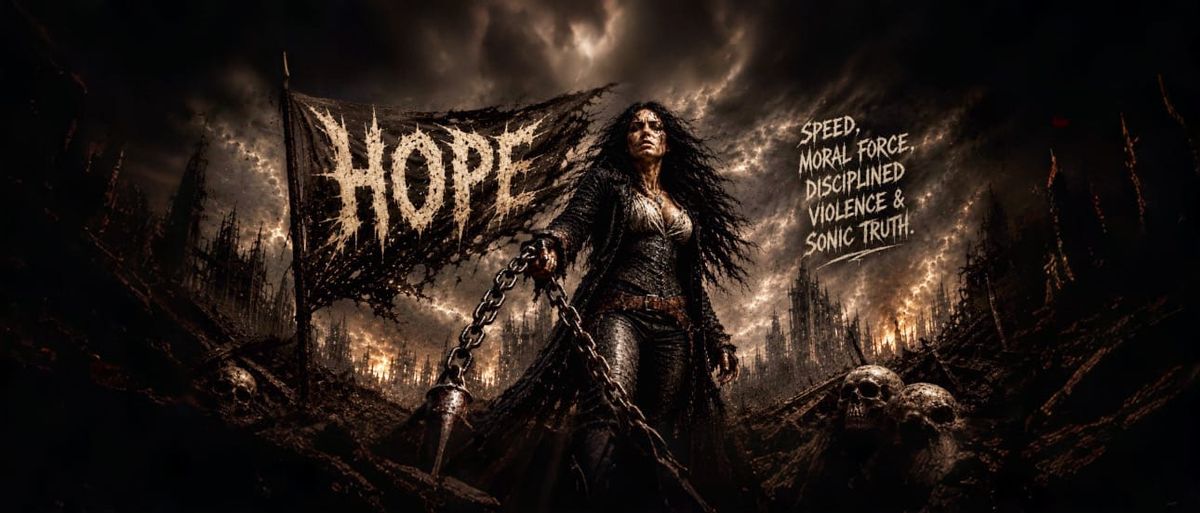
Hope is not soft. Hope is alive.
 Outlaw Creative
 Outlaw Creative
 Outlaw Creative
 Outlaw Creative
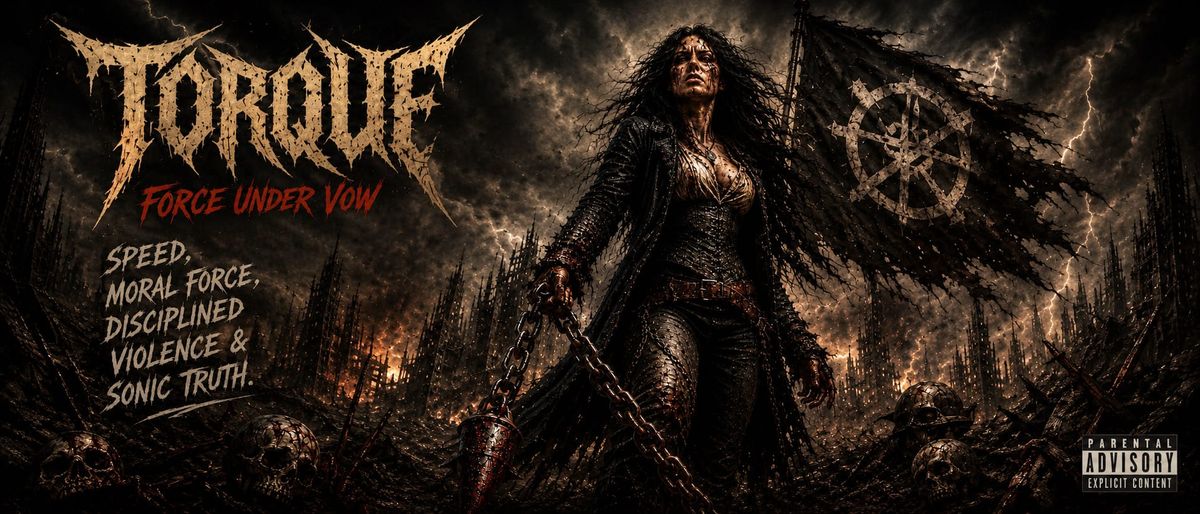 Outlaw Creative
 Outlaw Creative