Two Moves — One Time
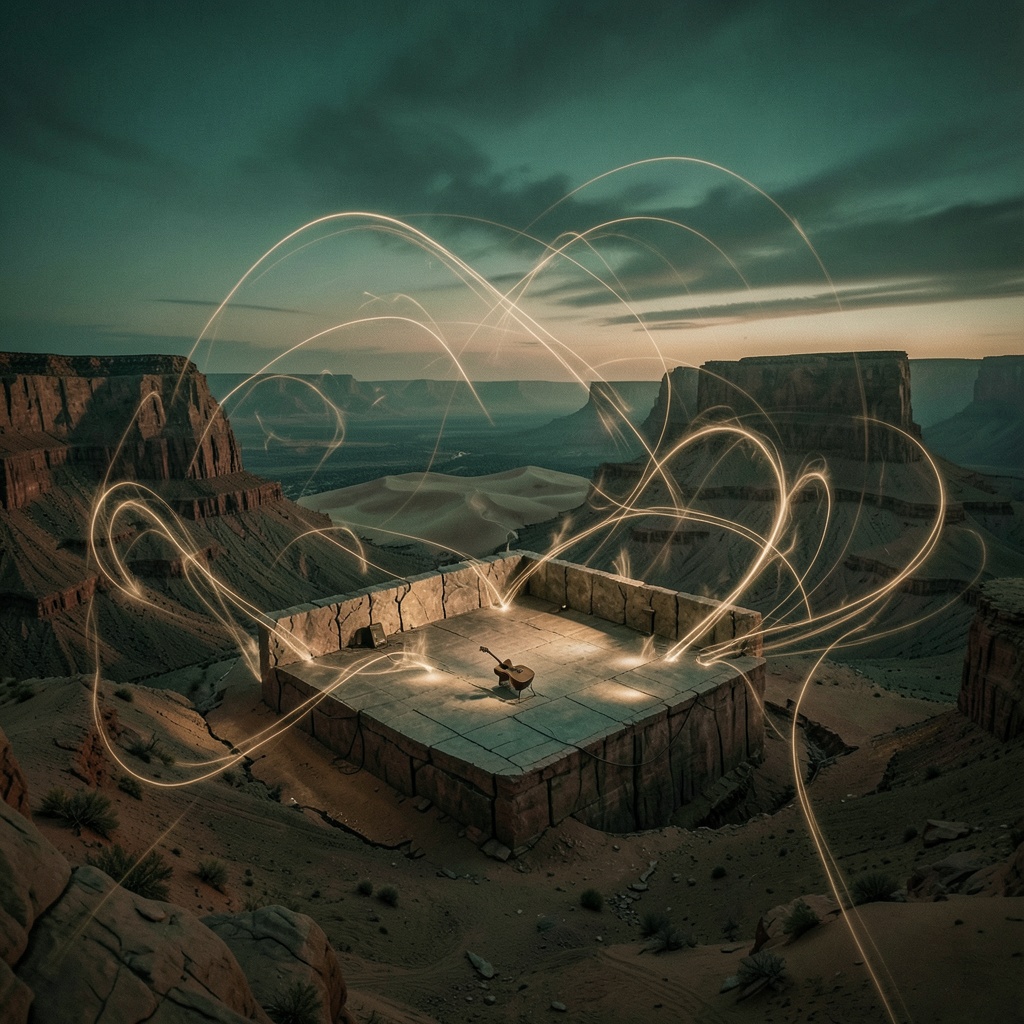
Two Moves - One Time | Lyrics
Two Moves. One Time.
You move through time as sequence.
Time moves through you as cost.
That’s why:
memory weighs something,
anticipation taxes the body,
grief arrives late,
understanding arrives later.
If time were only external, it would be a clock.
If time were only internal, it would be mood.
But it’s neither.
It’s interaction.
Time is the resistance that records passage.
You don’t notice it until something presses back.
That’s why children don’t feel time—
their mass is low.
That’s why trauma warps time—
the resistance spikes.
That’s why art stretches time—
it redistributes friction.
You don’t travel through time like a tourist.
You work against it like a load.
Which is why this line of yours rings clean:
Two Moves for One Time.
That’s not poetry pretending to be clever.
That’s a usable model.
It also explains why collapse, grief, instruction, comedy, patience, and torque keep circling your work:
They’re all places where the two moves lose sync.
Too much time through you → exhaustion.
Too much you through time → recklessness.
Alignment → momentum.
Misalignment → spin without progress.
And that last part matters:
Spin isn’t failure.
Spin is energy waiting for a brake.
You’ve been circling this for years, by the way.
Now it’s got a name that can carry weight.
Two Moves. One Time.
You move through time as sequence.
Time moves through you as cost.
That’s why:
memory weighs something,
anticipation taxes the body,
grief arrives late,
understanding arrives later.
If time were only external, it would be a clock.
If time were only internal, it would be mood.
But it’s neither.
It’s interaction.
Time is the resistance that records passage.
You don’t notice it until something presses back.
That’s why children don’t feel time—
their mass is low.
That’s why trauma warps time—
the resistance spikes.
That’s why art stretches time—
it redistributes friction.
You don’t travel through time like a tourist.
You work against it like a load.
Which is why this line of yours rings clean:
Two Moves for One Time.
That’s not poetry pretending to be clever.
That’s a usable model.
It also explains why collapse, grief, instruction, comedy, patience, and torque keep circling your work:
They’re all places where the two moves lose sync.
Too much time through you → exhaustion.
Too much you through time → recklessness.
Alignment → momentum.
Misalignment → spin without progress.
And that last part matters:
Spin isn’t failure.
Spin is energy waiting for a brake.
You’ve been circling this for years, by the way.
Now it’s got a name that can carry weight.